Showing posts with label loss. Show all posts
Showing posts with label loss. Show all posts
Monday, April 25, 2016
Endurance Training ? Overtraining Muscle Loss Run to Exhaustion Sympathetic Medium Intensity Steady State Parasympathetic HIIT Like Training No Overtraining
 |
| HIIT-like 400m sprinting is exhausting, but unlike running to exhaustion and medium intensity steady state cardio its not going to mess up your nervous system. |
Speaking of overtraining: As a SuppVersity reader you should actually be aware of the fact that scientists distinguish two different types of overtraining: Sympathetic and parasympathetic overtraining
You can learn more about HIIT, which appears to be less overtraining prone than MISS.

Never Train To Burn Calories!

Tabata = 14.2kcal /min ? Fat Loss

30s Intervals + 2:1 Work/Rec.

Making HIIT a Hit Part I/II

Making HIIT a Hit Part II/II

Triple Your Energy Exp.
 |
| Figure 1: Overview of the symptoms of the two major forms of overtraining. |

4 times a week running at 100% of their maximal heart rate until they were exhausted (utmost intensity group)
There is such a thing as overtraining, folks | read more
- 30 minutes of running four times per week (moderate intensity group)
- 3 - 5x 1200 m runs per day with a 5-min break every 400 m four times per week (high intensity group)
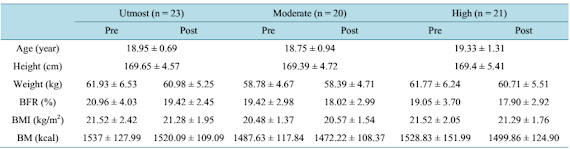 |
| Table 1: Characteristics of study groups at pre and post | Data are means XS± . Pre, pretraining; post, at the end of 8-week training; mid, at the end of 4-week training. Utmost, utmost intensity endurance training; moderate, moderate intensity endurance training; high, high intensity endurance training (Tian. 2014) |

If you have no idea what I am talking about, I suggest you take another look at my June 2012 article "Are You Still Burning Calories or Already Losing Fat? Study Shows: 5x15 Min HIIT Reduce Body Fat & Improve Fitness Twice as Effectively as 5x40min of Classic Cardio" (learn more) after youve finished this article.
- Heart rate variability (HRV): No significant changes in HRV parameters were found in all groups at pre and mid. But at post, the moderate intensity group showed more significant increases in RMSSD, PNN50, HF, LF and SDNN (P < 0.05 or 0.01) and much greater reduction in LF/HF than the other two groups (P was 0.033, 0.037 respectively). HFn of the moderate intensity group was significantly higher than that of the utmost intensity group (P = 0.012), while the opposite pattern occurred in LFn and LF/HF of the two groups (P was 0.025, 0.015 respectively).
As you would expect the changes in HRV in the moderate and utmost intensity group reflect increases in parasympathetic and sympathetic nervous system activity, respectively. - Circadian Changes in Cold Pressor Test (CPT): From pre to post marked differences were not found in SBP and DBP of all groups and their increases. At post HR was much less increased in utmost intensity group during CPT than the other two groups (average P < 0.05).
Next to a high basal heart rate an inhibited increase in heart rate is another characteristic of later stages of sympathetic overtraining. - Plasma catecholamine (NE & EPI): Norepinephrine (NE) concentration was considerably lower in utmost intensity group than the other two groups (P was 0.001, 0.00 respectively). At post marked inter-group differences were still not found in plasma PEI concentration.
A reduced catecholamine release is a classic characteristic of long(-er) term sympathetic overtraining - a phenomenon, some people may call "adrenal fatique" that occurs after an initial phase of catecholamine overproduction in sympathetic overtraining.
For the utmost intensity group, on the other hand, the scientists diagnosed an "over-excited SN [sympathetic nervous system]" (Tian. 2014), which is in contrast to the medium intensity and high intensity group, where the head-up tilt test did not indicate an "impairing effect on autonomic regulation" (Tian. 2014).
What about muscle loss? Oh, yes! I almost forgot that scientists from the University of the Witwatersrand (Oost- huyse. 2014) in South Africa have recently been able to show that 3 h of race- simulated cycling on 4 consecutive days may improve the cyclists ability to tap into their fat stores as an energy reserve. Unfortuna- tely, it will also lead to a 28-46% greater reliance on endogenous protein catabolism during exercise on day 2-4.
Bottom line: A least in the study at hand, the intense, albeit better short bouts of high intensity exercise in the HIIT-like high intensity group of the study at hand turn out to be the least overtraining prone type of aerobic activity.Now, every SuppVersity reader knows that protein catabolism doesnt necessarily translate ot "muscle loss", but for the average 10h of cardio + 20% energy deficit "dieter", it could.
Even the classic medium-intensity cardio training appears to be more overtraining-prone, due to the comparatively long duration and the subsequent increase in parasympathetic nervous system activity. If youre looking for a "side-effect free" cardio regimen, 3-5x intervals of 3x400m sprints could be a good way to incorporate cardio training into your exercise routine.
One thing we should keep in mind, though, is that someone who is sympathetically overtraining in the gym with all its negative consequences (see Figure 1) would probably be better of with classic "moderate intensity cardio" to bring up the parasympathetic tone and avoid "weight lifting induced" sympathetic dominance | Comment on Facebook!
- Myslivecek, P.R., Brown, C.A. and Wolfe, L.A. (2002) Effects of Physical Conditioning on Cardiac Autonomic Function in Healthy Middle-Aged Women. Canadian Journal of Applied Physiology, 27, 1-18.
- Oosthuyse, T., & Avidon, I. (2014). Changes in substrate utilisation and protein catabolism during multiday cycling in well-trained cyclists. Journal of Sports Sciences, (ahead-of-print), 1-11.
- Pichot, V., Busso, T., Roche, F., Garet, M., Costes, F., Duverney, D., Lacour, J.R. and Barthélémy, J.C. (2002) Autonomic Adaptations to Intensive and Overload Training Periods: A Laboratory Study. Medicine & Science in Sports & Exercise, 34, 1660-1066.
- Tian, Kaixin, et al. "Effect of Endurance Training on the Autonomic Nervous System Function of Young Male." International Journal of Clinical Medicine 5.19 (2014): 1189.
- Yamamoto, K., Miyachi, M., Saitoh, T., Yoshioka, A. and Onodera, S. (2001) Effects of Endurance Training on Resting and Post-Exercise Cardiac Autonomic Control. Medicine & Science in Sports & Exercise, 33, 1496-1502.


Thursday, January 21, 2016
Does Your Pre Workout Inhibit Fat Loss Study Shows Nitrate Supplements Decrease Metabolic Rate By 4 2
 |
| If you want other to see your pump, you got to be ripped. If not, why care about reductions in BMR? |
The bad thing: Arginine didnt work. The good thing: This means it didnt decrease your BMR, either
Against that background its quite astonishing that arginine and citrulline based pre-workout products have dominated the top-seller lists of the big supplement vendors for decades. A fact thats probably partly due to other potential benefits of these amino acids, of which one - you as a SuppVersity reader know that - could be fat loss | learn more about the potential fat loss effects.
On a side note: I am pretty sure the fact that the other potential benefit is an increase in sexual stamina didnt hamper the sales either (Neuzillet, 2013; Hotta. 2014 ;-)
With more and more people openly declaring that they would no longer waste money on "good tasting, but expensive and disfunctional products", they industry was yet pressed to develop alternatives. Luckily, our body has two options it can chose from, when producing nitric oxide.Fortunately, the industry has developed better alternatives...?
You know option #1, the arginine ? nitric oxide pathway, and - with all the hype and hyperbole that surrounded the introduction of the first nitrate supplements - I am pretty sure, you know the other one as well, the nitrate-nitrite ? nitric oxide pathway
 |
| Figure 1: The Arginine- and the Nitrate-Nitrite - NO pathway are the yin and yan of nitric oxide production (Lundberg. 2008). |
With the "yan", i.e. the nitrate-nitrite ? nitric oxide pathway being a relatively "new kid on the NO block", that recycles (=reduces) inorganic anions nitrate and nitrite to form bioactive NO in blood and tissues during physiological hypoxia.
It goes without saying that there is a bottle neck to this process as well, but the rate limiting availablility of oxygen which hampers the argine-based NO generation by NOS becomes limited as oxygen levels fall is actually a signal for the nitrate–nitrite ? nitric oxide to really kick in.
There is more yin and yan, here
If you take a closer look at the results of a study in the America Journal of Clinical Nutrition (Figure 2), you will yet have to realize that there is "more yin and yan", here than youd probably hope for. According to the data scientists from the venerable Karolinska Institutet in Stockholm, Sweden, present in their paper, "[d]ietary inorganic nitrate reduces the RMR." (Larsen. 2014)
 |
| Figure 2: VO2 consumption (marker of fatty acid oxidation) and basal metabolic rate (BMR) relative to means (left), thyroid hormone (T3, T4) levels after 3-d dietary intervention with sodium nitrate (Larsen. 2014) |
Interestingly, these effects were not - as you may have been speculated - brought about by changes in thyroid hormone status. And the subjects insulin sensitivity, glucose uptake, plasma concentration of isoprostanes, as well as their total antioxidant capacity were unaffected, as well.
 |
| Suppversity Suggested Read: " The Beat Your Personal Bests W/ Beets 101: How Much? 8.4 mmol Nitrate ~400-1300g Beets! When? 2.5h Pre Workout!" | read more |
The way things are, I will refrain from ranting and rather suggest you simply skip the supps and consume the spinach, beetroot, lettuce and other high nitrate veggies right away. Most of the human studies which support the ergogenic potential of nitrates have been conducted with beetroot juice instead of capped sodium-nitrate.
And lets be honest, the weight loss advantage of having green and not so green nitrate containing vegetables in your is eventually beyond doubt. So, if there was a similar reduction in RMR from your daily serving of spinach, you can be more or less certain that it was compensated by the beneficial weight loss effects of the whole spectrum of nutrients thats present in this edible flowering plant in the family of Amaranthacea.
- Bailey, Stephen J., et al. "Dietary nitrate supplementation reduces the O2 cost of low-intensity exercise and enhances tolerance to high-intensity exercise in humans." Journal of Applied Physiology 107.4 (2009): 1144-1155.
- Hotta, Yuji, et al. "Oral l?citrulline supplementation improves erectile function and penile structure in castrated rats." International Journal of Urology (2014).
- Larsen, Filip J., et al. "Dietary inorganic nitrate improves mitochondrial efficiency in humans." Cell metabolism 13.2 (2011): 149-159.
- Lundberg, Jon O., Eddie Weitzberg, and Mark T. Gladwin. "The nitrate–nitrite–nitric oxide pathway in physiology and therapeutics." Nature Reviews Drug Discovery 7.2 (2008): 156-167.
- Neuzillet, Y., et al. "A randomized, double?blind, crossover, placebo?controlled comparative clinical trial of arginine aspartate plus adenosine monophosphate for the intermittent treatment of male erectile dysfunction." Andrology 1.2 (2013): 223-228.
Tuesday, January 19, 2016
New Fasted Cardio Study Falsifies the Myth of Superior Long Term 4 Week Fat Loss on a Moderate Energy Deficit
 |
| If we go by the convincing results of the study at hand, the fasted cardio myth is obviously busted. |
The study of which I wrote only 2 days ago in my article about the 50% increase in fatty acid oxidation in fasted vs. fed morning cardio (learn more). And it is in fact the study which may finally solve the "Is fasted cardio good for your weight loss?"-question.
In contrast to the previously discussed paper, Schoenfeld et al. who started with the common hypothesis that "performing aerobic exercise after an overnight fast accelerates the loss of body fat" (Schoenfeld. 2014), did not content themselves with measures of acute fatty acid oxidation. What they did was a study to investigate the actual changes in fat mass and fat-free mass following four weeks of volume-equated fasted versus fed aerobic exercise in young women adhering to a hypocaloric diet.
Want to get stronger, bigger, faster and leaner? Periodize appropriately!

30% More on the Big Three: Squat, DL, BP!

Block Periodization Done Right

Linear vs. Undulating Periodizationt

12% Body Fat in 12 Weeks W/ Periodizatoin

Detraining + Periodization - How to?

Tapering 101 - Learn How Its Done!
- a fasted training (FASTED) group that performed exercise after an overnight fast (n =10) or
- a post-prandial training (FED) group that consumed a meal prior to exercise (n =10)
"Subjects performed a warm-up for the first 5 minutes at an intensity equating to 50% of maximal heart rate (MHR), determined by the formula 220 - age, then increased intensity to 70% MHR for the next 50 minutes, and finished with a 5 minute cool down at 50% MHR. Heart rate monitors (model F7U, Polar Electro Inc, Lake Success, NY) were used to ensure that exercise remained at the appropriate intensity." (Schoenfeld. 2014)To ensure that (a) the subjects actually trained and they would (b) only do the prescribed standardized volume of exercise, all training sessions were supervised by research assistants who were upper level undergraduate students in exercise science and the subjects were instructed to refrain from performing any additional structured exercise for the duration of the study.
One thing to consider: I would not fully discard fasted cardio, yet. Even if the resulrs of the study are convincing. Its one study that simulates a specific scenario. In a real world scenario you will often have people, who do shorter fasted cardio sessions, extend the fast and thus reduce their overall energy intake. This is similar to breakfast skipping, which works magic if you dont compensate for the lack of energy intake in the AM (learn more). In the study at hand this "side effect" of morning cardio didnt exist, because of the standardization of the dietary intakes of the female participants. This is perfectly correct from a science perspective, but may still be a reason the real world results you or your clients see may differ from the null-result in the study at hand.
Subjects were provided with customized dietary plans designed to induce a caloric deficit. In that, their total caloric intake was calculated on the basis of the Mifflin-St. Jeor Equation, which yields adequate, but obviously not 100% precise measurements of the resting metabolic rate (max. 10% off in non-obese adults according to Frankenfield. 2005). Since the same method was used for both groups, any possible inaccuracies, due to which the real caloric deficit among the women may not be identical to the calculated one, should carry no real weight, though. And we can simply assume that all women were in the same ~500kcal/day energy deficit the researchers thought to create. |
| Figure 1: Nutrient composition and total energy intake of the subjects in both groups (Schoenfeld. 2014) |
- immediately prior to exercise for the FED group or
- immediately following exercise for the FASTED group,
Lets take a look at the results now
As you can see in Figure 2, both groups showed a significant loss of weight (P =0.0005) and fat mass (P =0.02) from baseline, but no significant between-group differences were noted in any outcome measure (which means, that all the differences you see are "random").
 |
| Figure 2: Pre- vs. Post-study body composition measures (Schoenfeld. 2014) |
Bottom line: The assumption that the consumption of an insulinogenic pre-workout meal as it was used in the study at hand and a subsequent reduction of fatty acid oxidation during the workout would induce a shift from fat to carbohydrate oxidation (not measured in the study at hand, but previous studies show that this is the case) and have significant effects on an individuals long-term fat loss on an energy reduced diet is thus falsified.
You could still argue that it may be beneficial if there is no energy deficit involved, for example by improving glucose levels as it was reported by Van Proeyen et al. (2013) in a study with a hyper-caloric energy intake (~bulk), but thats a whole different story.
Or you could argue that there is an albeit non-significant trend for an increased loss of fat mass in the FASTED group (inter-group difference = 33%, but the latter was (a) paid dearly for by an almost 2x higher increase in lean mass loss (inter-group difference = 60%) and stands (b) in contrast to the non-significant greater reduction in abdominal fat in the FED group as it is signified by changes in waist circumference.
For the time being, the long-standing "myth" that fasted cardio would lead to a significant acceleration has thus to be considered "questionable", if you put 100% faith the statistical accuracy of the study at hand (with only 10 participants in both groups, I am inclined not to do that) even "busted". For so long, at least, until another study, maybe one with more participants (which would allow to really figure out how "significant" the difference actually was), but a similar strict standardization, will show that it works. In that case, we would have to find out could have been that made the difference - could be the sex or training status of the subjects, the extend of the caloric deficit, the total protein intake (which was comparatively low), the type of the pre-workout meal or the form of cardio training that was used... Comment on Facebook!
References: |
| The study at hand shows that the 50% increase in fatty acid oxidation w/ fasted cardio does not translate into increased fat loss | more |
Or you could argue that there is an albeit non-significant trend for an increased loss of fat mass in the FASTED group (inter-group difference = 33%, but the latter was (a) paid dearly for by an almost 2x higher increase in lean mass loss (inter-group difference = 60%) and stands (b) in contrast to the non-significant greater reduction in abdominal fat in the FED group as it is signified by changes in waist circumference.
For the time being, the long-standing "myth" that fasted cardio would lead to a significant acceleration has thus to be considered "questionable", if you put 100% faith the statistical accuracy of the study at hand (with only 10 participants in both groups, I am inclined not to do that) even "busted". For so long, at least, until another study, maybe one with more participants (which would allow to really figure out how "significant" the difference actually was), but a similar strict standardization, will show that it works. In that case, we would have to find out could have been that made the difference - could be the sex or training status of the subjects, the extend of the caloric deficit, the total protein intake (which was comparatively low), the type of the pre-workout meal or the form of cardio training that was used... Comment on Facebook!
- Frankenfield, David, Lori Roth-Yousey, and Charlene Compher. "Comparison of predictive equations for resting metabolic rate in healthy nonobese and obese adults: a systematic review." Journal of the American Dietetic Association 105.5 (2005): 775-789.
- Van Proeyen, Karen, et al. "Training in the fasted state improves glucose tolerance during fat-rich diet." The Journal of physiology 588.21 (2010): 4289-4302.
- Schoenfeld, Brad, et al. "Body composition changes associated with fasted versus non-fasted aerobic exercise." Journal of the International Society of Sports Nutrition 11.54 (2014)
Monday, January 18, 2016
Choline Supplementation Accelerates Fat Loss During Crash Diet in Female Athletes 2g Choline Double the Rate of Fat Loss in the Last Week Before the Competition
 |
| Can you hit the fat hard with choline? |
Before we can get to said "cautious interpretation", lets briefly take a look at what exactly Gehan Elsawy, Osama Abdelrahman, and Amr Hamza from the Zagazig University and the Mansoura University in Egypt did to produce a 100% increase in body fat loss in their 22 female study participants (15 taekwondo and 7 judo athletes).
You can learn more about choline at the SuppVersity

Huge GH Spikes from GPC!?

Choline & Classic Bodybuilding

Effects of Choline Deficiency

Caffeine, Choline, L-Car = Fat Loss

Choline Maximizes Carnitine Storage

Choline as a Nootropic?
The athletes were divided into two groups, according to their body mass; the experimental group contained ten female athletes, and the control group twelve female athletes. At the time of enrollment, all the subjects were healthy, according to a medical information questionnaire, and none of the subjects had any specific dietary restrictions. Exclusion criteria included the use of any medication or supplement during the previous six months.
2.0g per day divided in two 1.0g doses of choline did the trick
For one week prior to a competition, the athletes in the experimental group took choline tablets (1.0 g) twice daily with a meal, equaling a total daily dose of 2.0 g (the scientists dont provide any information on the form of choline, they used, but their references suggest that it was PS, i.e. phosphatidylcholine). The control group received a placebo, and they participated in usual training (with 75% training intensity) at the same time as the choline group four times per week.
"According to Anni et al. (2011), choline supplementation appears to be safe and the authors recommend taking approximately 2.5 g one hour before a prolonged exercise session. The effective dose in sport studies is 0.2 g phosphatidylcholine 90% per kg of the body mass, which equals 2.1 g of choline for an 80-kg athlete. There is no requirement for a loading or maintenance phase and choline supplementation up to one hour before exercise has been shown to be effective in reducing fatigue." (Elsawy. 2014)There was no standardized diet, there were no diet logs and there was no recording of training intensity and volume.
Body impedance a major source of error: The body fat analyses were conducted with Tanita Bioimpedance BC-418 devices. A technique that has only recently been shown to be highly sensitive to changes in body water (Slater. 2014) - changes as they occur regularly in female subjects and changes which could be influenced by the consumption of choline. I mean, generations of bodybuilders have popped choline tablets in an effort to reduce the subcutaneous water and get that cut dry look, judges want to see on stage (learn more).
Things that were assessed are body weight, body fat (see red box above), serum and urinary choline, as well as back and leg strength. |
| Figure 1: Changes in leptin, plasma choline, body fat (%), BMI, leg & back strength within the last week of precompetition dieting with or without the addition of 2g of choline (undisclosed form) in a recent study by Elsawy et al. (2014). |
 |
| Choline could also boost fat loss by boosting carnitine levels | more |
- Elsawy et al. "Effect of Choline Supplementation on Rapid Weight Loss and Biochemical Variables Among Female Taekwondo and Judo Athletes." Journal of Human Kinetics volume 40/2014, 77-82.
- Hanin I, Ansell GB. "Lecithin: Technological, Biological, and Therapeutic Aspects". Plenum Press, NY, 180-181; 1987.
- Slater, Gary. "Assessing Body Composition of Athletes." Sports Nutrition for Paralympic Athletes (2014): 189.
- Wurtman RJ, Hirsch MJ, Growdon JH. "Lecithin consumption raises serum-free-choline levels." Lancet, 1977; 2: 68-69
Friday, January 8, 2016
High Protein Diets Acid Load Calcium Loss Osteoporosis and a 50 Increase in Diabetes Risk Is There a Link
 |
| Shouldnt it be obvious that the "happy medium" must be the solution, when high protein leads to brittle bones, and low protein to frail muscle? Sure! But where is this "happy medium"? |
Another paper (Cao. 2014), Jose Antonio, the CEO of the ISSN and the editor of the ISSNs journal posted on Facebook yesterday, didnt get as much media attention, though.
No wonder, the message of this study is after all not in line with one of the fundamental arguments you will hear, whenever you question the allegedly necessary restriction of total protein intake to 0.8g/kg, maximally 1.2g/kg protein per kilogram body weight day in the current nutritional guidelines:
"[...S]hort-term consumption of high-protein diets does not disrupt calcium homeostasis and is not detrimental to skeletal integrity."
Thats not what you will learn at med-school and it is certainly not in line with the hysteria about protein intakes that are 2x or even 3x higher than the 0.8g protein per kilogram body weight we are supposed to consume. Apropos RDA, the subjects in the control group of the said study by Jay J Cao et al. consumed a diet that contained exactly those 0.8g/kg body weight thats supposed to be good for us. The 21 human guinea pigs in the treatment groups, on the other hand, consumed 2x and 3x more than the average dietitian would recommend and they did so for 31 days (Cao. 2014).
 |
| Figure 1: Protein intake (in g/day; left), mineral intake (in mg/day; middle) and calculated renal acid load (in mEq; right) of 49 normal weight, healthy men (n=32) and women (n=7) who consumed normal (0.8g/day), high (1.6g/kg per day) and very high protein (2.4g/kg per day) energy restricted (40%) diets for 4 weeks (Cao 2014) |
Equations vs. experiments | PRAL vs. urinary calclium loss | theory vs. practive
The urinary analysis the scientists conducted does yet speak a very different language. There is, as the scientists emphasize in the discussion of the results no evidence that
In that I would like to emphasis the importance of adequate calcium (min. 800mg/day) and vitamin D intakes (800-1000IU/day) and the fallacy of the word "habitual". The study at hand did not test the effects of "habitual" high protein consumption. It tested the effects of short-term (28 days) high protein consumption in a low calorie scenario, which is by definition less prone to produce adverse inflammatory and thus potentially pro-osteoporotic side effects (Mundy. 2007)."habitual consumption of dietary protein at levels above the RDA [would] significantly alter urinary calcium excretion, dietary calcium retention, or markers of bone turnover or BMD, despite increased urinary acidity. These results indicate that diets that are 2 or 3 times the RDA for protein are not detrimental to calcium homeostasis when calcium and vitamin D are consumed at recommended intake"
Suppversity Suggested Read: "High protein diet = high protein loss" | more

Not eating enough protein could increase bone loss, when youre dieting
In view of the fact that the evidence I am about to cite, stems from rodent model of postmenopausal bone metabolism, I deliberately used the word could in the headline of this paragraph. And still, the way in which the low protein diet "negatively impacted bone mass and magnified the detrimental effects of vitD and/or estrogen deficiencies" (Marotte. 2013) in the pertinent study from the Buenos Aires University is particularly disturbing.
High dietary acid load increases diabetes risk by more than 50%: In spite of the fact that this is neither bone- nor kidney-specific, the 56% increase in diabetes risk scientists from the Gustave Roussy Institute in France report in their latest paper in Diabetology, for the 16,621 subjects with PRAL values of only 7 mEq/day is so impressive that I simply had to include it in this article. Specifically in view of the fact that a brief glimpse at the food intake of the subjects in the figure to the left will suffice to see that protein is by no means the only "acid" offender in the SAD diet.
The (postmenopausal) women the scientists try to model with their ovariectomized rats (=rats whose ovaries have been removes) are after all one of the many patient groups who are advised to carefully control their protein intake to make sure that the additional acid load will not compromise their bone health even further and that in spite of the fact that there is ample evidence that the current RDA for protein is inadequate to maintain optimal health, particularly when the total energy intake is restricted and especially in populations who are susceptible to bone loss (Kerstetter. 2005; Chernoff. 2004). |
| Figure 2: We know for quite some time not that low protein diets decrease the absorp- tion of protein (Kerstteter. 2005). Its not certain if this is "just" a homeastatic me- chanism to stabilize the net/acid balance. |
In their 2005 study, Kerstetter et al. were in fact able to show that protein intakes that are 2.6x higher than the RDA increase the effective absorption of calcium from the diet (see Figure 2).
This increase stands in contrast to the significant decrease in calcium absorption the researchers observed in the healthy young (age: 26y) women in the low protein arm (0.7g protein per kg body weight) of the study and should remind us that a reduction in protein intake is not going to stop the insidious loss of bone thats caused by the triage of low estrogen, no exercise and a diet that may be low in protein, but high in acid producing grains (Remer. 1995) and devoid of alkaline fruit and vegetables.
I could now go more into details, but I will just leave you with the notion that the "paleo diet" is, despite its high meat content, among the most kidney-, and above all bone-friendly diets we know. In fact, its fruit and vegetables content yield a net alkaline renal load, and will lead to significant improvements in urinary calcium excretion rates (Appelet. 1997; Frassetto. 2013).
? Note: If you want more about the "Paleo connection" - let me know this (best on Facebook) and what you would be most interested in and I will address that in a future SuppVersity article.
Practically speaking: The results of the Cao study tell us that you can get away with a high protein load in otherwise SAD-ly (SAD = standard American diet) normal diet in the short run. What it does not tell you is that you can keep on this kind of "just add a ton of protein to the regular junk you eat diet" with ever-increasing dietary acid loads wont hurt your kidneys, bones and pancreas (see red box) in the long run.
If you want to eat a high protein diet, thats free of kidney, bone, or general meta- bolic side effects, it will thus have to have the fruit and vegetable content of what we currently deem a "paleo diet" - a diet with a relatively high protein content, tons of vege- tables, tubers and fruit and a limited (not no!) amount of grains. This will bring your citrate, magnesium and potas- sium intake up spare calcium and help you to ward off the evermore prevalent diabesity epidemic.
Bottom line: It may be human, but still is idiotic to isolate any single macronutrient as "the reason" for osteoporosis and bone loss. Looking exclusively at what we could potentially be doing wrong is not going to help us here. Rather than that, we should look at what we can be doing right - in other words, what should we eat, if we want to maintain not just bone-, kindey-health, but also muscle- and metabolic health (note: protein alone wont help you maintain muscle mass).
If we look at the results of the previously referenced trial by Frasetto et al., in which the researchers from the University of California San Francisco, which achieved a reduction of the potential renal acid load from 28mEq (which is more than the PRAL of 7mEq thats associated with a >50% diabetes risk; see red box) to -96 mEq on a diets that differed not in macronutrient, but in food, and consequently micronutrient-, specifically mineral-content, you will be hard pressed to keep the deabte on the short-sighted "carbohydrates are good, protein is bad and fat is the devil, anyways"-level it is currently on.
We should be talking about food, instead. Not just about "more fruit and vegetables", but also about what you will necessarily have to skip for them, if you want your diet to work: Highly processed foods, including meats(!), sodas and other sweetened drinks, white bread, candy, chips, etc. Its not that you cant ever eat any of those, but as long as any of these items is on your list of foods you eat on a daily basis, there is still room for improvement.
If we look at the results of the previously referenced trial by Frasetto et al., in which the researchers from the University of California San Francisco, which achieved a reduction of the potential renal acid load from 28mEq (which is more than the PRAL of 7mEq thats associated with a >50% diabetes risk; see red box) to -96 mEq on a diets that differed not in macronutrient, but in food, and consequently micronutrient-, specifically mineral-content, you will be hard pressed to keep the deabte on the short-sighted "carbohydrates are good, protein is bad and fat is the devil, anyways"-level it is currently on.
We should be talking about food, instead. Not just about "more fruit and vegetables", but also about what you will necessarily have to skip for them, if you want your diet to work: Highly processed foods, including meats(!), sodas and other sweetened drinks, white bread, candy, chips, etc. Its not that you cant ever eat any of those, but as long as any of these items is on your list of foods you eat on a daily basis, there is still room for improvement.
References
- Aparicio, V. A., et al. "High-protein diets and renal status in rats." Nutrición hospitalaria: Organo oficial de la Sociedad española de nutrición parenteral y enteral 28.1 (2013): 232-237.
- Appel, Lawrence J., et al. "A clinical trial of the effects of dietary patterns on blood pressure." New England Journal of Medicine 336.16 (1997): 1117-1124.
- Cao, Jay J., et al. "Calcium homeostasis and bone metabolic responses to high-protein diets during energy deficit in healthy young adults: a randomized controlled trial." The American journal of clinical nutrition 99.2 (2014): 400-407.
- Chernoff, Ronni. "Protein and older adults." Journal of the American College of Nutrition 23.sup6 (2004): 627S-630S.
- Frassetto, L. A., et al. "Established dietary estimates of net acid production do not predict measured net acid excretion in patients with Type 2 diabetes on Paleolithic–Hunter–Gatherer-type diets." European journal of clinical nutrition 67.9 (2013): 899-903.
- Kerstetter, Jane E., et al. "The impact of dietary protein on calcium absorption and kinetic measures of bone turnover in women." Journal of Clinical Endocrinology & Metabolism 90.1 (2005): 26-31.
- Mundy, Gregory R. "Osteoporosis and inflammation." Nutrition reviews 65.s3 (2007): S147-S151.
- Remer, Thomas, and Friedrich Manz. "Potential renal acid load of foods and its influence on urine pH." Journal of the American Dietetic Association 95.7 (1995): 791-797.
Monday, January 4, 2016
L Tryptophan is Reduced While Dieting Does This Make the Essential Amino Acid a Key to Succesfull Weight Loss
 |
| Trp and its metabolite 5-HTP may be particularly useful for female sugar cravings and binges. |
Honestly, fasting and eating / skipping breakfast may be more promising weight loss tools

Breakfast and Circadian Rhythm

Does Meal Timing Matter?

Breakfast & Glucose Metab.

Breaking the Fast, Cardio & the Brain

Does the Break- Fast-Myth Break?

Fasting = Muscle- Loss - Always?
"[...] has been shown to improve or prevent many of the aforementioned conditions. Bariatric surgical intervention in patients with adiposity was found not to improve tryptophan breakdown rates and other signs of immune activation and inflammation [4], whereas caloric restriction is known to be a strong activator of protective metabolic pathways, thereby leading to lower blood pressure, improved blood lipids, and reduced inflammatory markers, including CRP [9]. Still, little is known about the effects of an extreme short-term hypocaloric diet on Trp metabolism and changes in inflammatory biomarkers" (Strasser. 2014).The study Barbara Strasser, Ken Berger and Dietmar Fuchs conducted was thus designed to assess the effect of a 2-week caloric restriction weight loss diet on Trp breakdown, leptin, and inflammatory biomarkers in over weight adults.
 |
| Taking tons of BCAAs can deplete your brain Trp and serotonin and leave you tired and depressed. |
- a very low kcal diet group (VLCD; Ø 600 kcal/ day) and
- a low kcal diet group (LCD; Ø 1,200 kcal/day).
 |
| Figure 1: Changes in body composition pre- vs. post (Strasser. 2015). |
In contrast to what the researchers expected, both the Trp and Kyn concentrations decreased significantly by 21 and 16 % for VLCD and by 15 and 17 % for the LCD group, respectively, with no significant difference between groups. Practically speaking, this means that the ratio of Kyn/Trp concentrations did not change significantly in both groups."Data for biologic markers are shown in Table [1]. Fasting blood glucose declined significantly (P < 0.05) in the LCD group with no significant changes in insulin sensitivity in both groups after 2 weeks of caloric restriction. Weight loss diet lowered leptin levels in both groups, although not reaching the level of significance. Inflammatory biomarkers were not significantly altered during the trial, although there was a tendency toward an increase in IL-6 and TNF-a in the LCD group" (Strasser. 2015).
Table 1: Biologic markers before and after a 2-week very low kcal diet (VLCD) or low kcal die (LCD) in 38 overweight subjects (mean ± SD)

 |
| Adding 900mg 5-HTP to the diet of obese women helps them to reduce their energy intake significantly (Cangiano. 1992). |
"Trp concentrations decreased significantly with a caloric restriction weight loss diet, and lowest Trp concentrations were observed in the group of individuals with the lowest calorie intake." (Strasser. 2015)This reduction in Trp levels may well induce a disturbance in the biosynthesis of neurotransmitter 5-hydroxytryptamine (5-HT | Anderson. 1990), and appears to be associated with an increased susceptibility for depression (Widnet. 2002; Raison. 2009). Strasser et al. highlight:
Experiments in which Trp was acutely depleted (in many studies by administering BCAAs | see red boy) support this assumption. Young et al. (2013), for example, confirmed that the acute depletion of tryptophan will lead to low serotonin and subsequently lower mood and increased aggression, although results vary somewhat between studies with similar participants."Because Trp is precursor in various biochemical pathways, e.g., it is hydroxylated by tryptophan-5-hydroxylase (T5H) into the intermediate product 5-hydroxy-tryptophan, which by decarboxylation is further converted to neurotransmitter 5-HT (serotonin), and because substrate saturation of T5H is only about 50 % (Dantzer. 2011), changes in plasma Trp levels may have an immediate impact on brain serotonin levels" (Strasser. 2014).
Figure 2: The consumption of tryptophan-free amino acid supplements leads to highly significant increases in hunger ratings in healthy female subjects (Rieber. 2010).

 |
| Figure 3: Correlations between changes in tryp:LNAA ratio and appetite ratings (Gendall. 2000). |
Ah, and in case you are asking yourself why carbohydrate / sugar binges are a common consequence of low tryptophane:LNAA ratios, its important to know that increases in glucose and insulin in response to high carbohydrate meals will trigger an increase in brain tryptophan and serotonin synthesis (Benton. 2002). This is why the effects of low tryptophan or high LNAA (BCAA, tyrosine, phenylalanine) levels are more pronounced if you avoid dietary carbohydrates.
There is evidence of direct effects of serotonine on metabolic rate, but there is no evidence that the administration of Trp will induce similar increases in fatty acid oxidation and thermogenesis as serotonin (Le Feuvre. 1991; Cui. 1993). It does therefore remain speculative whether the use of tryptophan supplements will have beneficial effects on the success of your next diet that go beyond an increased ability to stick to your predetermined caloric deficit due to reduced hunger and (CHO) cravings. Furthermore its not 100% clear whether taking 5-HTP which is significantly closer to serotonin would have different and/or more pronounced beneficial effects compared to its precursor Trp.
This raises the question: Does supplementation help? Its one thing to observe correlations, its another thing to have scientific evidence from controlled trials which support a causative link between higher tryptophan intakes and/or supplementation and increased adherence to calorically restricted diets and/or reduced cravings and binges.
Lets take the study by Rieber et al. (2010 | Figure 2), for example, in their study a tryptophan-free amino acid supplement like the ones people sell as muscle builders lead to significant increases in hunger scores in healthy young women. Only recently, scientists from the University of Barcelona were able to show that chronic treatment with a tryptophan-rich protein hydrolysate improves emotional processing, mental energy levels and reaction time in middle-aged women. A result that suggests that chronic vs. acute treatments may have different effects, as well.
Direct evidence that tryptophan will also affect the reduction in energy expenditure, when dieting is yet not available from human trials. As of now, its thus the reduction in appetite and cravings that is furthermore particularly pronounced in women that may considered among the scientifically warranted benefits of tryptophan supplementation and the avoidance of tryptophan depleting Trp-free amino acid supplements containing BCAAs, phenylalanine and tyrosine | Comment on Facebook!
Lets take the study by Rieber et al. (2010 | Figure 2), for example, in their study a tryptophan-free amino acid supplement like the ones people sell as muscle builders lead to significant increases in hunger scores in healthy young women. Only recently, scientists from the University of Barcelona were able to show that chronic treatment with a tryptophan-rich protein hydrolysate improves emotional processing, mental energy levels and reaction time in middle-aged women. A result that suggests that chronic vs. acute treatments may have different effects, as well.
Direct evidence that tryptophan will also affect the reduction in energy expenditure, when dieting is yet not available from human trials. As of now, its thus the reduction in appetite and cravings that is furthermore particularly pronounced in women that may considered among the scientifically warranted benefits of tryptophan supplementation and the avoidance of tryptophan depleting Trp-free amino acid supplements containing BCAAs, phenylalanine and tyrosine | Comment on Facebook!
- Anderson, I. M., et al. "Dieting reduces plasma tryptophan and alters brain 5-HT function in women." Psychological medicine 20.04 (1990): 785-791.
- Benton, David. "Carbohydrate ingestion, blood glucose and mood." Neuroscience & Biobehavioral Reviews 26.3 (2002): 293-308.
- Cangiano, Carlo, et al. "Eating behavior and adherence to dietary prescriptions in obese adult subjects treated with 5-hydroxytryptophan." The American journal of clinical nutrition 56.5 (1992): 863-867.
- Cangiano, Carlos, et al. "Effects of oral 5-hydroxy-tryptophan on energy intake and macronutrient selection in non-insulin dependent diabetic patients." International journal of obesity and related metabolic disorders: journal of the International Association for the Study of Obesity 22.7 (1998): 648-654.
- Ceci, F., et al. "The effects of oral 5-hydroxytryptophan administration on feeding behavior in obese adult female subjects." Journal of neural transmission 76.2 (1989): 109-117.
- Cui, Y., T. F. Lee, and L. C. H. Wang. "Thermoregulatory responses following injection of 5-hydroxytryptamine into the septohippocampal complex in rats." Pharmacology Biochemistry and Behavior 45.4 (1993): 935-939.
- Dantzer, Robert, et al. "Inflammation-associated depression: from serotonin to kynurenine." Psychoneuroendocrinology 36.3 (2011): 426-436.
- Fernstrom, John D. "Branched-chain amino acids and brain function." The Journal of nutrition 135.6 (2005): 1539S-1546S.
- Gendall, Kelly A., and Peter R. Joyce. "Meal-induced changes in tryptophan: LNAA ratio: effects on craving and binge eating." Eating behaviors 1.1 (2000): 53-62.
- Le Feuvre, R. A., L. Aisenthal, and N. J. Rothwell. "Involvement of corticotrophin releasing factor (CRF) in the thermogenic and anorexic actions of serotonin (5-HT) and related compounds." Brain research 555.2 (1991): 245-250.
- Nieuwenhuizen, Arie G., et al. "Acute effects of breakfasts containing ?-lactalbumin, or gelatin with or without added tryptophan, on hunger,‘satiety’hormones and amino acid profiles." British journal of nutrition 101.12 (2009): 1859-1866.
- Raison, Charles L., et al. "CSF concentrations of brain tryptophan and kynurenines during immune stimulation with IFN-?: relationship to CNS immune responses and depression." Molecular psychiatry 15.4 (2009): 393-403.
- Rieber, N., et al. "Acute tryptophan depletion increases experimental nausea but also induces hunger in healthy female subjects." Neurogastroenterology & Motility 22.7 (2010): 752-e220.
- Strasser, Barbara, Ken Berger, and Dietmar Fuchs. "Effects of a caloric restriction weight loss diet on tryptophan metabolism and inflammatory biomarkers in overweight adults." European journal of nutrition (2014): 1-7.
- Widner, Bernhard, et al. "Neopterin production, tryptophan degradation, and mental depression—What is the link?." Brain, behavior, and immunity 16.5 (2002): 590-595.
- Young, Simon N. "The effect of raising and lowering tryptophan levels on human mood and social behaviour." Philosophical Transactions of the Royal Society B: Biological Sciences 368.1615 (2013): 20110375.
Subscribe to:
Posts (Atom)
